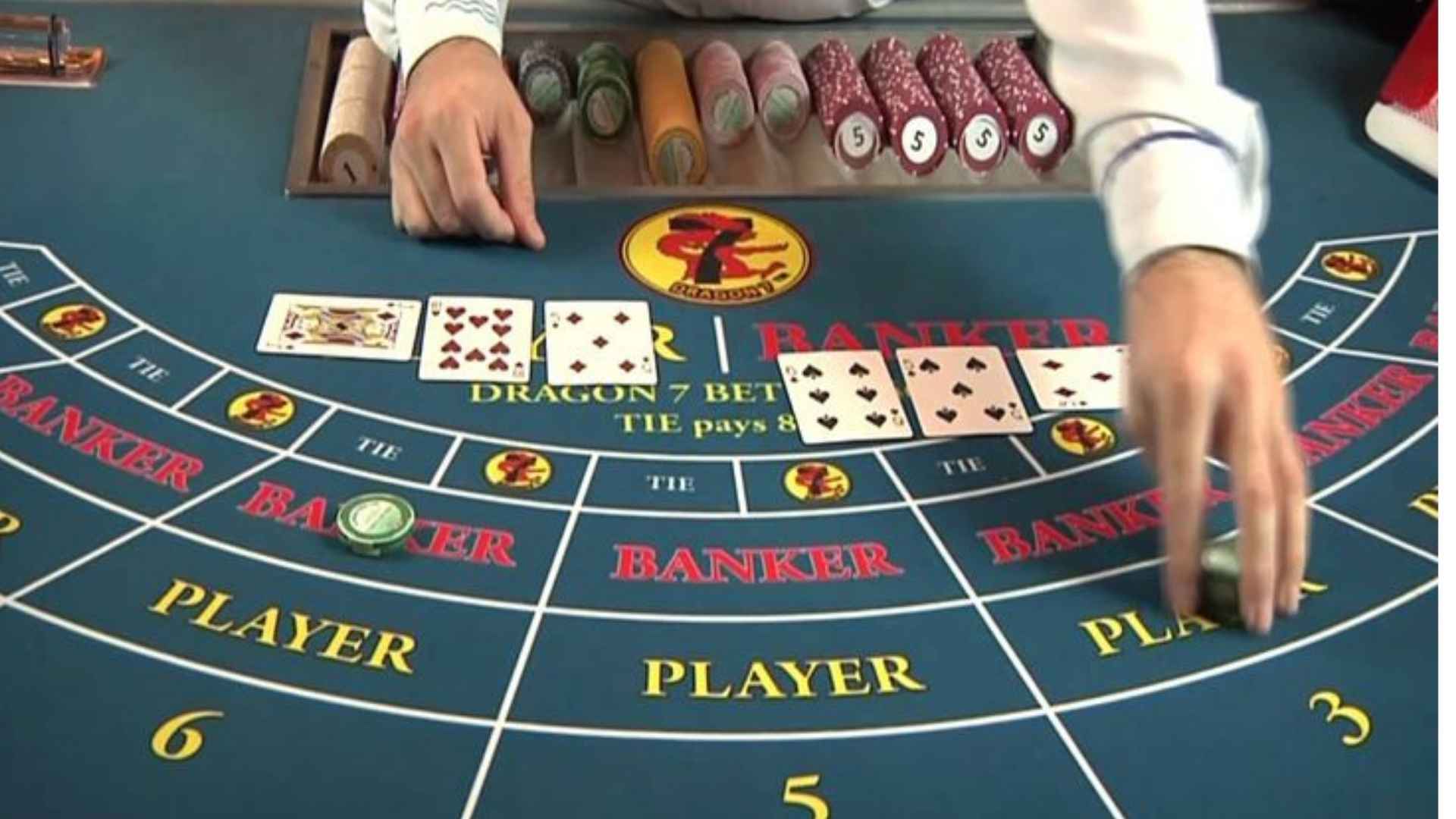
Participating in competitive rummy tournaments is an excellent way to test your skills and strategic thinking against top-tier players. However, real improvement only occurs when you take the time to evaluate your matches after the cards have been cleared. By systematically reviewing your decisions, you can uncover hidden weaknesses in your gameplay and refine your approach for future events.
Track Your Hand Outcomes
One of the most effective ways to evaluate your play is by keeping a detailed record of every hand you played during the tournament. Take note of the initial cards you were dealt and compare them against your final score in each round. This practice helps you identify whether your losses stemmed from poor luck or from strategic missteps during the game.
It is also crucial to study how you handled tricky card combinations when the pressure was at its peak. Using specialized tools or a digital companion like a game stick m88 can help you log and review key moments from your competitive sessions. Recognizing patterns in your decision-making process will allow you to make faster, more accurate choices in future matches.
Review Your Drop Decisions
Knowing when to drop a hand is just as important as knowing how to play one to completion. Analyze the rounds where you chose to fold early and calculate whether you saved valuable points or missed out on a potential victory. A balanced drop strategy is often the defining factor that separates consistent tournament winners from casual participants.
If you find that you are constantly losing high points on bad hands, you may need to adjust your initial evaluation criteria. Examine the exact threshold at which you decide to commit to a hand versus choosing a middle drop. Refining this boundary will protect your tournament standing and keep you competitive across multi-stage events.
Assess Opponent Behaviors and Tells
Rummy is a game of incomplete information where observing your opponents is vital for survival. Review how well you tracked the cards discarded and picked up by other players around the table during the tournament. Understanding their discarding patterns can give you critical clues about the sequences they were trying to build.
Evaluate whether you successfully adapted your defensive play based on the threat level posed by your competitors. If an opponent was close to declaring, did you hold onto high-value cards or safely discard them? Analyzing these specific interactions will sharpen your defensive instincts and make you a much tougher opponent to read.
Maintain a Performance Log
Sustained improvement in tournament play requires a structured, long-term approach to documenting your progress. Create a dedicated journal to record your win-loss ratios, total points accumulated, and the specific formats you played. Over several weeks, this data will reveal your strongest game variants and highlight areas that still require practice.
Use these detailed insights to set specific, measurable goals for your upcoming practice sessions. Whether you need to work on quick mathematical calculations or emotional discipline under a tight turn timer, a log keeps you accountable. Regular post-tournament analysis ensures that every match you play contributes directly to your growth as a competitor.